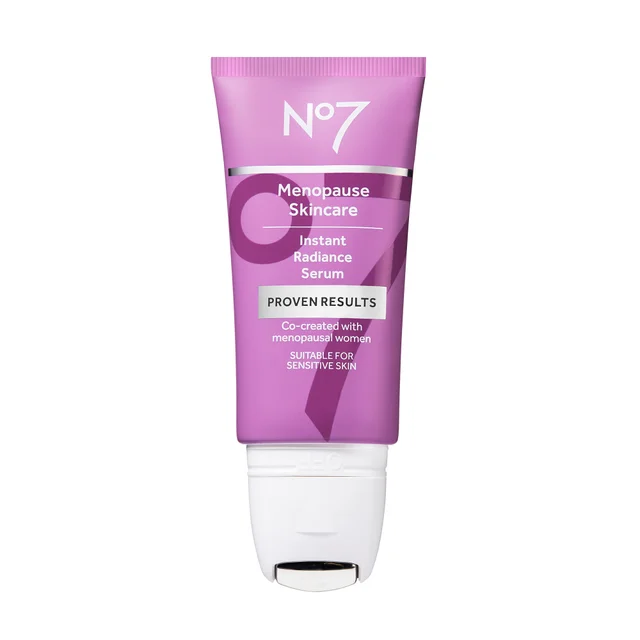
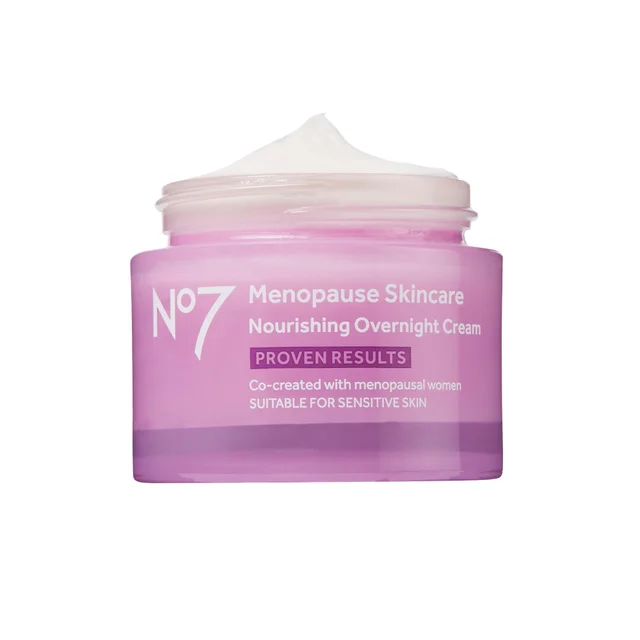
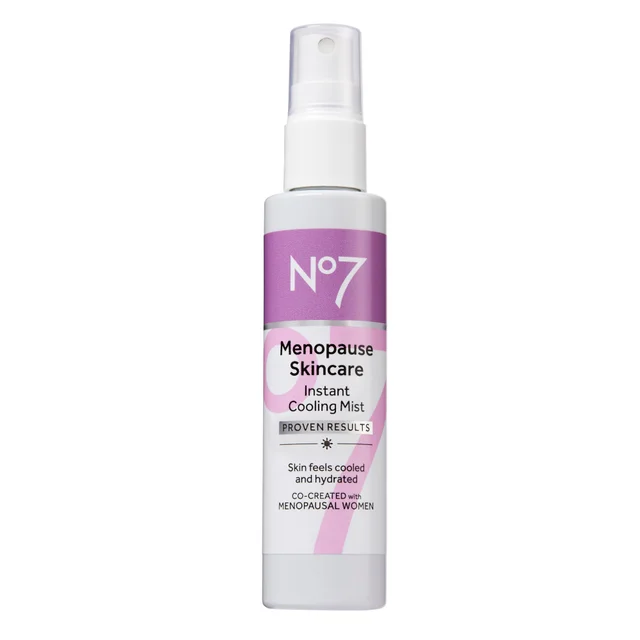
No7 carried out consumer research with women going through perimenopause to discover the main skin concerns during this transitional time. We discovered that a lack of radiance, dryness, sensitivity, redness, lack of firmness, and lines and wrinkles were the most common.
Frequently Asked Questions About Menopause
Menopause is a natural transition, and every woman's journey is unique. Dr. Eleanor Bradley answers the most frequently asked questions about this hormonal shift to help you navigate this new chapter.
Q1: What Does Perimenopause Do to Your Skin?
Perimenopause is a time of hormonal fluctuation and a time when estrogen levels start to decline, impacting the skin in several ways. As estrogen levels drop, collagen levels start to decline more quickly, and the skin can start to feel less firm. This decline in collagen can also contribute to wrinkles that appear deeper and a duller complexion (as collagen impacts how light interacts with the skin).
However, the biggest changes during this period of hormonal change will arguably be to the top layers of the skin, impacting the skin’s resilience and how healthy the skin looks and feels. We know declining estrogen levels impact the skin barrier - for example, with a reduction in ceramides (lipids) that play a role in creating a strong, protective skin barrier, for supple and nourished skin.
Q2: Does Menopause Age Your Face?
Estrogen levels decline during the menopause transition, impacting how the skin ages. Estrogen plays a role in many skin processes, including collagen production, skin turnover, and ceramide (lipid) production. Our newly published research has also shown that the living skin layers become thinner, with the skin barrier becoming less ceramide-rich and less elastic too.
It’s also important to remember that long-term sun exposure is still the main cause of accelerated skin aging, so wearing an SPF daily as part of your regimen is still as essential post-menopause as it was before.
Q3: How Can I Tighten My Skin After Menopause?
After menopause, collagen levels decline more quickly than they did before (although collagen levels do not drop off a cliff like it is sometimes claimed!). Collagen is the main structural protein in the skin that gives the skin its strength, meaning the face and neck can start to feel less firm and sag more.
Products formulated with ingredients like collagen peptides and soy isoflavones help to support skin’s natural collagen production and therefore help make the skin feel firmer. Also, look out for products that are proven to make the skin feel and look firmer on the packaging.
Q4: How Can I Improve My Skin Elasticity After Menopause?
To help improve the elasticity of the skin surface, it’s important to hydrate and nourish the surface layers of the skin with ingredients such as ceramides, hyaluronic acid, and niacinamide. To help improve deeper down elasticity, opt for ingredients such as peptides that can support fibrillin springs in the skin.
Q5: What Skincare is Best for Menopausal Skin?
For menopausal skin, I recommend using skincare products that focus on both skin health and aging. The menopause transition is a time when age-related concerns, such as lines and wrinkles, uneven pigmentation, and a lack of firmness, are emphasized. Alongside this, healthy skin concerns such as a lack of radiance, sensitivity, and dryness are also frequently experienced.
There are now more skincare products on the market that have been specifically formulated for menopausal skin to help target these skin concerns, so these would be ideal products to try.

How to Manage Menopausal Skin Changes
Learn how to manage menopausal skin changes for a revitalized, youthful-looking complexion.
Q6: How Can I Improve My Skin During Menopause?
It’s important to support your skin’s barrier to help its resilience, and replenish and nourish the skin, while supporting natural collagen levels.
Ingredients such as ceramides, niacinamide, and Japanese lily turf are great for replenishing and supporting the skin barrier. Ceramides can help replace lost lipids in the skin, and niacinamide is a great all-around ingredient known to support the skin’s moisture barrier and even out the skin tone.
Japanese lily turf can also boost natural moisturizing factors, helping to lock moisture in the skin, while ingredients like soy isoflavones and collagen peptides can help support the skin’s collagen.
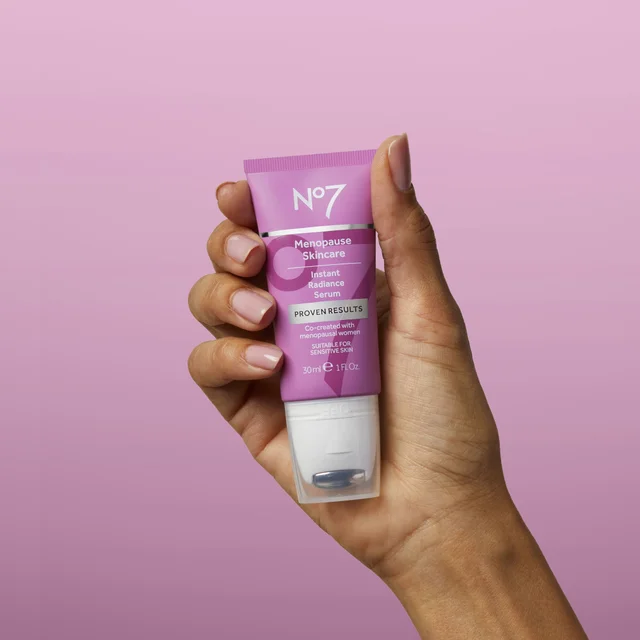
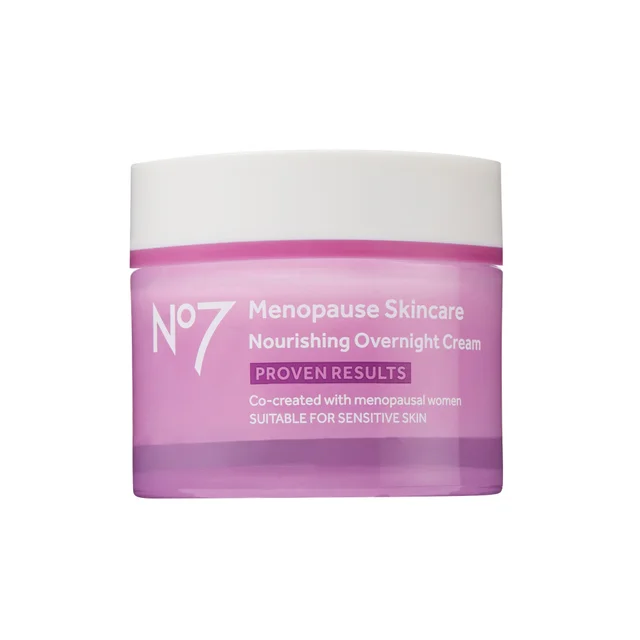
$42.99
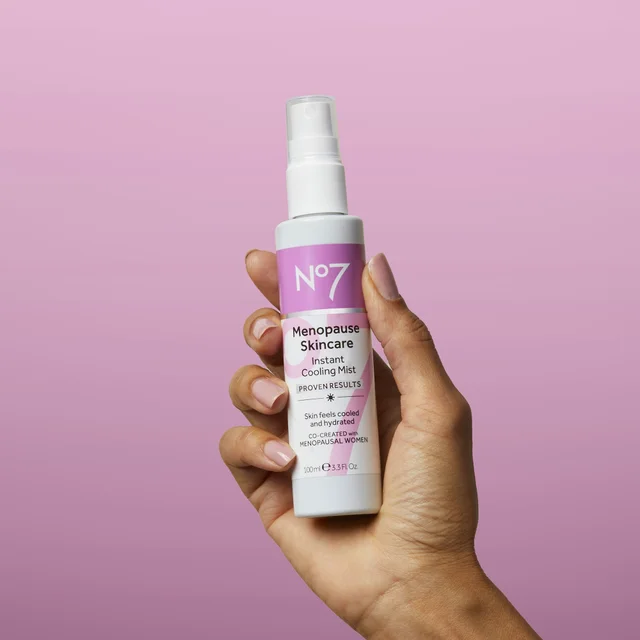
$37.99
$19.99