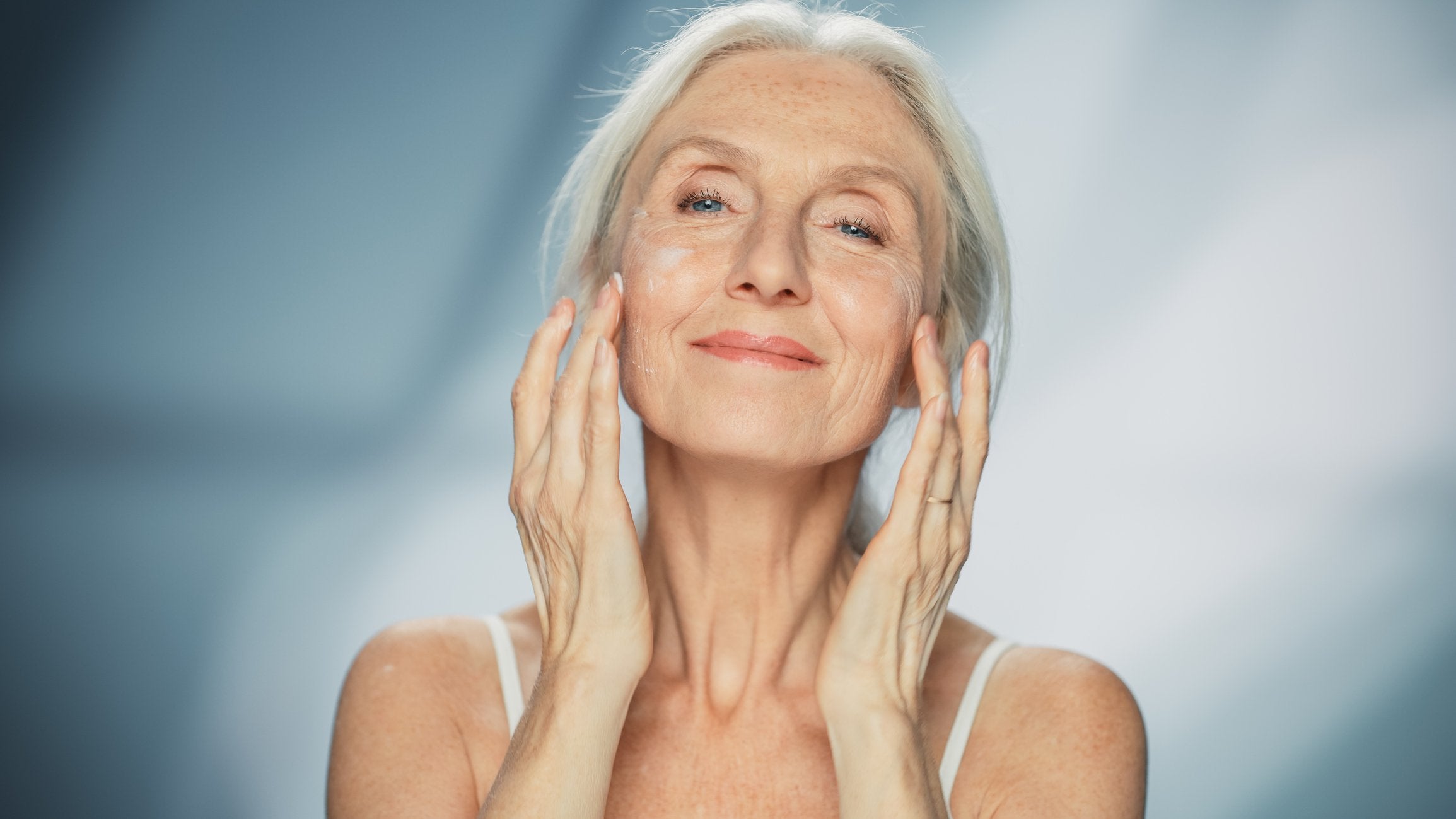
The famous skincare trend, slugging, promises glowing, hydrated skin upon awakening. It involves applying a layer of occlusive treatments like petroleum jelly as the final step in your evening skincare routine. It leaves skin with a shiny, slimy appearance, hence the name "slugging”.
Read on to discover whether slugging works and the best slugging skin care from No7.
What is slugging?
Skin slugging is a skincare trend that involves coating the face with an occlusive product like petroleum jelly as the last step of your nighttime skincare routine.
It forms a protective layer on the surface of the skin to help lock in hydration from your skincare products and prevent transepidermal water loss, for radiant-looking skin upon awakening.
Who is slugging best for?
While there are many benefits to slugging, it’s best suited for very dry or mature skin that requires moisture.
The skin types that should avoid slugging are oily skin and acne-prone skin, as these types already have a robust lipid layer, and slugging could lead to congested pores and breakouts.
Damaged or infected skin should also avoid this technique, as occlusive treatments may not allow skin to completely heal.
The benefits of slugging
Slugging your face solely with petroleum jelly isn’t necessarily hydrating enough. Slugging helps to lock in moisture from other products in your skincare routine while preventing transepidermal water loss.
Moisturize the skin: helps give skin a plump,hydrated-looking appearance Soothe dry skin: perfect for delicate areas like the eyelids and lips Protect the skin: boosts the skin’s ability to retain water and form a protective barrier over the skin Repair damage: a moist environment can support the skin barrier and help the skin’s natural repair process
How to add slugging into your night-time skincare routine
If you have dry skin, you may benefit from face slugging several times per week. Those with oily skin may only want to take part during the winter months.
Warning: Avoid using active ingredients like AHAs, BHAs, or retinoids. When trapped under an occlusive treatment, these could enhance penetration, potentially leading to skin irritation.